
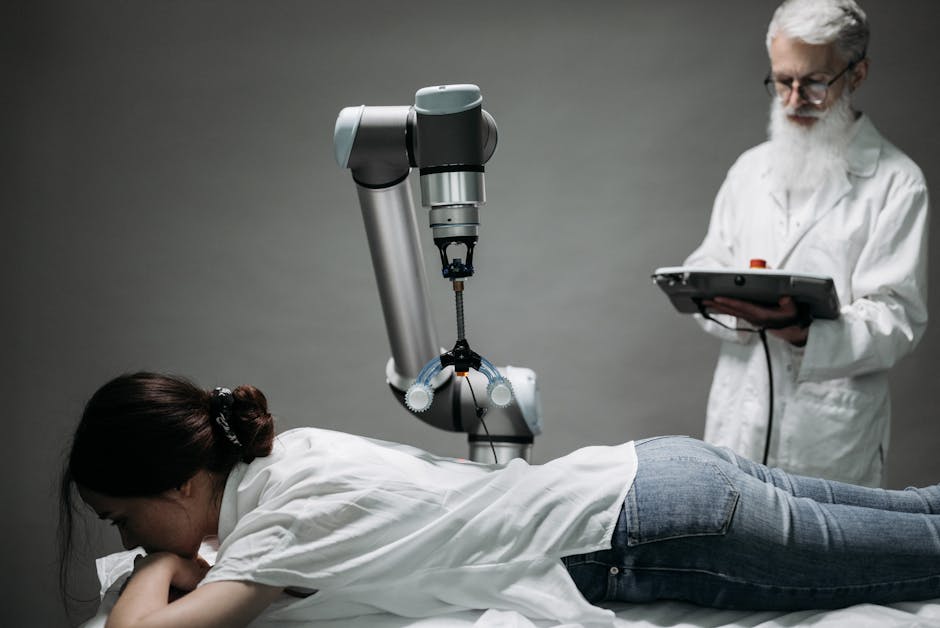
In recent years, artificial intelligence (AI) has emerged as a transformative force in healthcare innovation, reshaping how medical professionals diagnose, treat, and manage patient care. From predictive analytics to robotic surgery, AI is driving significant advancements in medical technology, promising a future where healthcare is more precise, accessible, and efficient. This blog post delves into the multifaceted role of AI in healthcare, highlighting its current applications, benefits, challenges, and future potential.
The Rise of AI in Healthcare
The integration of AI into healthcare is not a fleeting trend but a fundamental shift in how care is delivered. At its core, AI involves machines that simulate human intelligence to perform tasks such as learning, reasoning, and problem-solving. In healthcare, this translates to systems that can analyze vast amounts of medical data, identify patterns, and assist clinicians in making informed decisions. The global AI in healthcare market is projected to reach $187.95 billion by 2030, growing at a CAGR of 37.0% from 2022 to 2030, according to Grand View Research. This growth is fueled by the increasing volume of healthcare data, the need for cost reduction, and the demand for personalized medicine.
Key Applications of AI in Healthcare
1. Diagnostics and Imaging
One of the most prominent applications of AI is in medical imaging and diagnostics. AI algorithms, particularly deep learning models, can analyze X-rays, MRIs, and CT scans with remarkable accuracy, often surpassing human radiologists in detecting abnormalities. For instance, AI systems have been developed to identify early signs of diseases like cancer, diabetic retinopathy, and cardiovascular conditions. These tools not only speed up diagnosis but also reduce the risk of human error, leading to earlier interventions and better patient outcomes.
2. Personalized Treatment and Precision Medicine
AI enables the tailoring of treatments to individual patients based on their genetic makeup, lifestyle, and environmental factors. By analyzing genomic data and electronic health records, AI can predict how a patient will respond to specific medications, minimizing adverse effects and optimizing therapeutic efficacy. This approach, known as precision medicine, is particularly revolutionary in oncology, where AI helps oncologists select the most effective cancer therapies.
3. Drug Discovery and Development
The traditional drug discovery process is time-consuming and expensive, often taking over a decade and billions of dollars. AI accelerates this process by simulating drug interactions, predicting toxicity, and identifying potential drug candidates. Companies like Insilico Medicine and Exscientia are using AI to bring new drugs to market faster, offering hope for rare diseases and conditions with unmet needs.
4. Virtual Health Assistants and Chatbots
AI-powered virtual assistants and chatbots are enhancing patient engagement and streamlining administrative tasks. These tools can triage symptoms, schedule appointments, provide medication reminders, and answer common health queries, freeing up healthcare professionals to focus on critical tasks. During the COVID-19 pandemic, chatbots played a vital role in disseminating information and reducing the burden on helplines.
5. Remote Monitoring and Wearables
AI combined with wearable devices enables continuous monitoring of vital signs and chronic conditions. For example, smartwatches equipped with AI can detect atrial fibrillation or predict seizures. This real-time data allows for proactive interventions, reducing hospital admissions and improving quality of life for patients with chronic illnesses.
6. Operational Efficiency and Administration
AI is also revolutionizing healthcare operations. Predictive analytics can forecast patient admissions, optimize staffing, and manage supply chains. Robotic process automation (RPA) handles repetitive administrative tasks, such as claims processing and billing, reducing costs and errors. These efficiencies allow healthcare organizations to allocate more resources to patient care.
Benefits of AI in Healthcare
- Improved Accuracy: AI reduces diagnostic errors and enhances treatment precision.
- Enhanced Efficiency: Automation of routine tasks saves time and resources.
- Cost Reduction: Early detection and preventive care lower long-term healthcare costs.
- Accessibility: AI-powered telemedicine brings specialist care to remote areas.
- Patient Empowerment: Virtual assistants and wearables engage patients in their own care.
Challenges and Ethical Considerations
Despite its promise, AI in healthcare faces several hurdles. Data privacy and security are paramount, as AI systems require access to sensitive patient information. Ensuring compliance with regulations like HIPAA and GDPR is essential. Bias in AI algorithms can lead to disparities in care, particularly for underrepresented populations. Moreover, the 'black box' nature of some AI models raises concerns about transparency and accountability. Integration with existing workflows and resistance from healthcare professionals also pose challenges. Addressing these issues requires collaboration among technologists, clinicians, ethicists, and policymakers.
The Future of AI in Healthcare
The future of AI in healthcare is incredibly promising. We can expect more sophisticated AI systems that integrate multimodal data (genomics, imaging, wearables) to provide holistic patient views. AI-driven robotics will enhance surgical precision and recovery times. Natural language processing will improve clinical documentation and patient-doctor communication. As AI continues to evolve, it will not replace healthcare professionals but augment their capabilities, leading to a more patient-centric, efficient, and equitable healthcare system.
Conclusion
Artificial intelligence is undeniably reshaping the healthcare landscape. From diagnostics to drug discovery, AI is driving healthcare innovation and advancing medical technology at an unprecedented pace. While challenges remain, the potential benefits—improved patient outcomes, reduced costs, and enhanced accessibility—are too significant to ignore. As we move forward, it is crucial to harness AI responsibly, ensuring that it serves as a tool to enhance human expertise and compassion in medicine. The journey of AI in healthcare has just begun, and its full impact will be felt for generations to come.


0 Comments